The First Step Is a Fit Check
Private deals often include confidential company information and shares that may be hard to sell. An investor's identity, portfolio and ability to protect that information help the sponsor decide what it can share.
FINRA's guide to private placements explains the records and checks used in these deals. An access request opens that review process. The investment choice comes later, after the investor has read the files.
The access review starts with three basic facts: who the investor is, which rules apply and how much it may invest. The examples use $10 million or more. At that size, the deal may matter to the portfolio and be worth the work needed to manage it.
Investor identity, portfolio fit and confidentiality determine what private materials can be shared. Stage width is a layout choice and carries no conversion or outcome data.
Private Access Request
Investor identity, portfolio fit and confidentiality determine what private materials can be shared.
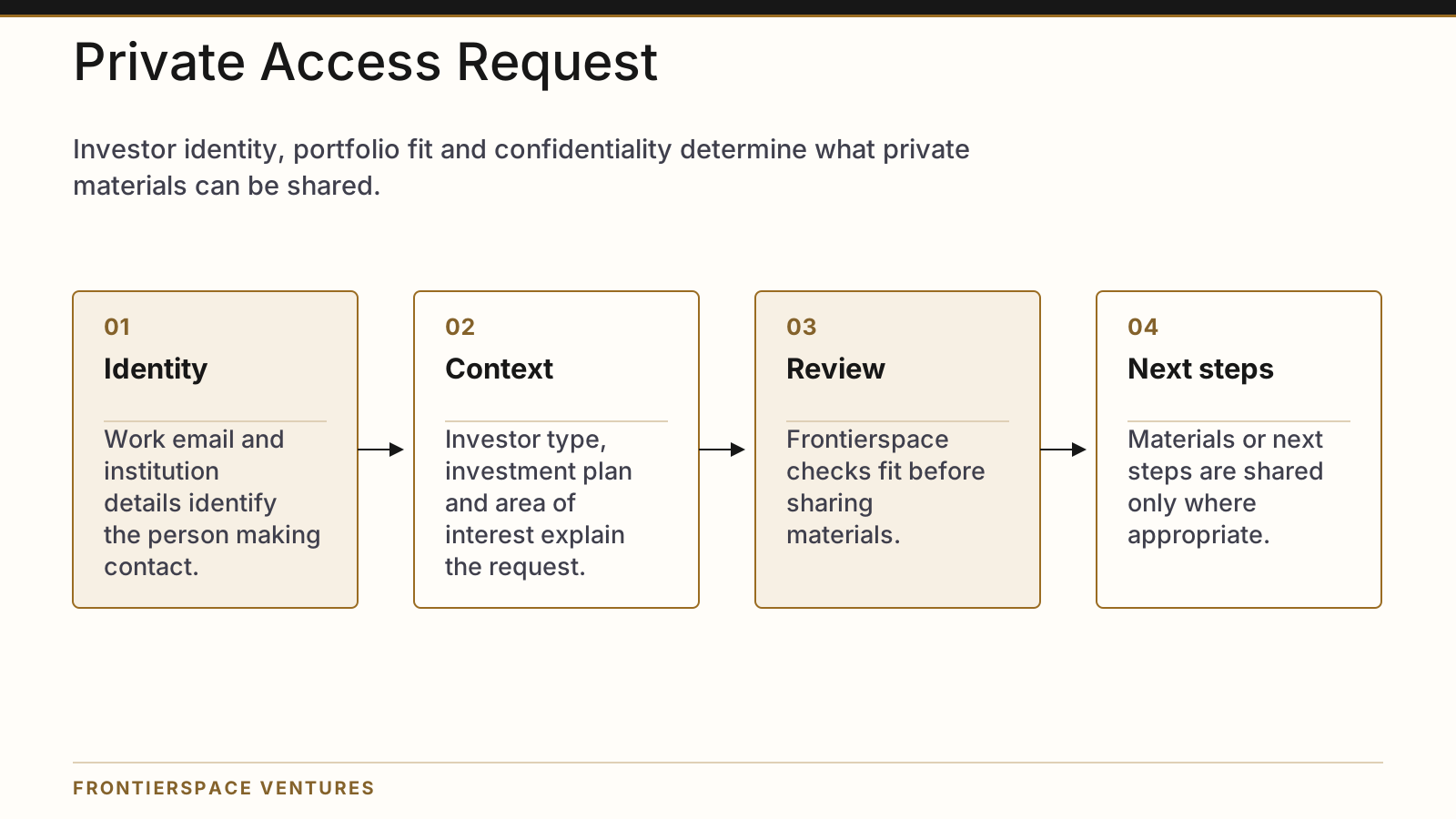
View chart data and assumptions
| Step | Stage | Purpose |
|---|---|---|
| 01 | Identity | Work email and institution details identify the person making contact. |
| 02 | Context | Investor type, investment plan and area of interest explain the request. |
| 03 | Review | Frontierspace checks fit before sharing materials. |
| 04 | Next steps | Materials or next steps are shared only where appropriate. |
“I am interested in private deals” tells the reviewer very little. The institution's name and likely cheque size give the sponsor a clearer starting point. They narrow the options for a first conversation before either side shares private files.
The Investor's Role Gives the Request Context
A possible $10 million investment is a useful example. It shows whether the deal could matter to the portfolio and whether it is large enough to manage well.
A person's role within the organisation helps explain how a deal would be reviewed. A family office and a corporate buyer may use different approval steps, even when they want the same company. Those differences affect which materials are relevant to the discussion.
What a Request Usually Includes
A stated range of $10 million to $25 million is more useful than “flexible.” It helps the sponsor compare the investor's needs with minimums and available capacity.
A focused request can remain brief:
- A professional work email.
- The name of the institution, family office, fund, or company.
- The type of allocator or strategic participant.
- A rough allocation range, if the investor wants to share one.
- A short explanation of the investment plan, preferred exposure, or reason for contacting Frontierspace.
A founder's or partner's request serves the same purpose. A deck link and a short account of the company or proposed partnership explain why a conversation may be useful.
What Happens After Submission
Timing can change the result. Under Rule 506(b), the issuer files Form D within 15 days after the first sale. FINRA members covered by its rule often have a separate 15-day filing deadline.
Frontierspace may ask for more facts before it decides what to share. This can happen when the investor's status or the offering rules are still unclear. Some files need stronger privacy controls, and the review may end without any files being sent. A request starts a fit review; it does not promise an allocation.
A Brief Message Can Provide Enough Context
Investor type and target cheque size give a brief request its starting point. The preferred structure, jurisdiction and expected decision timing fill in the picture. Together, these details help the reviewer judge whether the opportunity could fit.
The reason for contacting Frontierspace connects that background to a possible conversation. It explains what the portfolio is seeking and where the investor sees a fit.
An allocation range, region or theme can narrow the discussion further. For a company or partnership request, a deck link gives the reviewer a way to learn more.
Request Access
Prospective investors can use the LP Login and access request page. Founders and partners can use the contact page to share a company deck or discuss a partnership.
A Pre-IPO Access Case: What Eligibility Left Unanswered
The SEC's 2022 SP fund complaint shows what must happen after an investor gains access. The complaint said investors were offered interests tied to pre-IPO shares through SPVs. It also said hidden markups raised the price they paid.
The vehicles pooled investors into interests tied to pre-IPO shares. This SPV structure placed another layer between the investor and the shares.
That extra layer mattered because the offering papers allowed several types of fees.
The SEC said the true spread was still hidden when the stated fees were waived. The waiver therefore gave investors an incomplete view of their cost.
An access gate can check identity and fit. The security, price and sponsor fees determine what the investor would actually buy. Conflicts and transfer limits then affect how the holding can be managed or sold. Access alone settles none of those questions.
Primary source: SEC complaint concerning pre-IPO SP fund markups (2022). The case is based on public transaction information and is unrelated to Frontierspace performance.
Frequently Asked Questions
Does requesting access guarantee an investment allocation?
An access request starts a review; it does not secure an allocation. The deal may be limited by investor rules, local law or the room still available. Privacy needs and deal timing can also affect what the sponsor shares.
What information should a prospective investor provide?
The investor's identity, location and private-market experience give the sponsor context. An area of interest and likely allocation range help narrow the possible fit, while contact details allow the conversation to continue.